
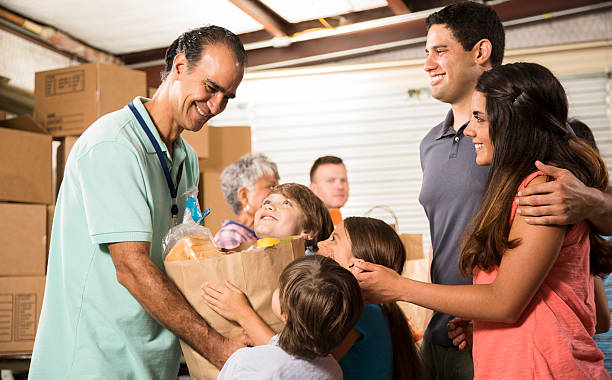

Building a legacy is about more than leaving behind financial wealth. It’s about transmitting essential principles, human caring, and true generosity to others. Families who engage in philanthropy together make a difference in the world and enrich their personal relationships. Charitable giving is a way for young generations to learn about being responsible, showing empathy, and taking stewardship of others, and can foster an attitude of giving that lasts for years and has a positive impact locally and globally.
Identifying Core Family Values and Causes
The first step in family philanthropy is deciding which specific causes matter most to your family. When you sit down together around common values, it allows you to find common ground for action where you can make the most difference together. A clear mission makes giving so much more meaningful, whether it’s in education, global health, or specialized social programs. Derek Maxfield is one of those thoughtful leaders who shows others how gifts, based on a person’s life experience and quiet commitments and clearly defined family values, can be focused and truly transformative of vulnerable lives. Families focus on social issues to make meaningful impacts with their charitable giving, instead of fleeting, one-off effects.
Involving Children in the Giving Process
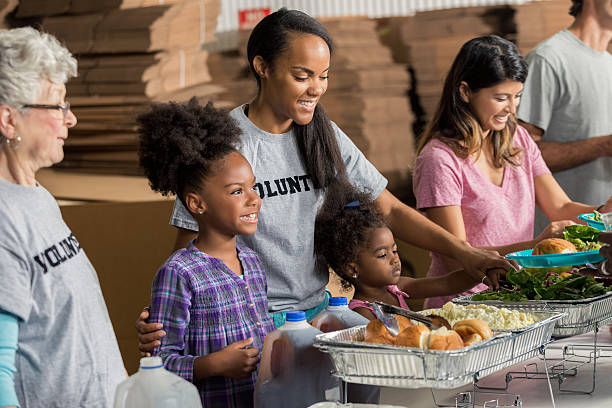
The first step to true stewardship is to teach children about generosity at an early age. Parents have the opportunity to attend family foundation meetings and review charitable recommendations, then make decisions about how to spend the money. Provide young family members with a set budget and request regular reports on its expenditure to impart real responsibility. When young people see the direct outcome of their choices, they quickly learn that giving is an active responsibility, preparing them to be thoughtful, compassionate, and effective leaders in the future.
Supporting High Impact Healing Initiatives
Although blanket donations are appreciated, targeted donations can have the most impact on society. Some families elect to discuss topics that are difficult or neglected like healing from trauma and preventing childhood abuse. Supporting groups such as SAPREA, an organization that offers free retreats, support, and educational programs for childhood sexual abuse survivors, allows families to work on pressing issues that are often overlooked. Sustaining personal hopes and providing long-term healing through funding programs means that family contributions can have a life-changing impact on those who need it most.
Establishing Sustainable Systems for Long-Term Giving
There is a need to plan strategically and have well-structured systems in place for creating a lasting legacy. Families can establish specific foundations, donor-advised funds, or recurring giving plans to ensure that their gifts last for generations. Structured giving models help families implement strategies over the long haul, benefit expanding non-profit organizations, and adjust to the evolving needs of the community. When giving is structured with long-term sustainability in mind, a family philanthropic vision will continue to lift up individuals, restore families, and strengthen communities into the future, creating a positive domino effect across generations.
Conclusion
One of the best and most rewarding ways to create a legacy is through family philanthropy. When values are identified, children are engaged in stewardship, causes are high impact, and systems can be sustained, families can make a difference in the world. True giving is more than just giving money; it’s giving hope, support, and healing to others. Starting your family giving journey today builds a much brighter tomorrow.
